Florida's Unique Weather Challenges

Florida stands alone as the most hurricane-vulnerable state in the nation. With 1,350 miles of coastline, a peninsula that extends into the warm waters of the Gulf of Mexico and Atlantic Ocean, and a location that places it directly in the path of Atlantic hurricane tracks, the Sunshine State faces an annual threat that no other state experiences to the same degree. Since 1851, Florida has been struck by more hurricanes than any other U.S. state, and this trend shows no signs of changing.
The consequences of this vulnerability are felt not just in property damage but in the very fabric of Florida's insurance market. The state has experienced a property insurance crisis in recent years, with numerous insurers leaving the market, premiums skyrocketing, and the state-run Citizens Property Insurance Corporation growing to become one of the largest insurers in Florida. For homeowners, understanding this complex landscape is essential for protecting both their property and their financial security.
Beyond hurricanes, Florida faces additional weather challenges. The state experiences more lightning strikes per square mile than anywhere else in the United States, earning Central Florida the nickname "Lightning Alley." Tornadoes, while typically weaker than those in the Midwest, occur frequently—Florida ranks among the top states for tornado activity. And flooding, both from storm surge and intense rainfall, represents a constant threat to the millions of Floridians living in low-lying coastal areas.
This guide provides Florida homeowners with comprehensive information on weather threats, insurance requirements, and the claims process. Whether you're a new resident still learning about hurricane season or a long-time Floridian looking to better understand your insurance coverage, the information here will help you protect your home and navigate the aftermath of storm damage.
Hurricane Season: Understanding and Preparing

Atlantic hurricane season officially runs from June 1 through November 30, though storms can and occasionally do form outside this window. The peak of hurricane activity occurs between mid-August and late October, with September 10 representing the statistical peak of the season. During an average season, the Atlantic produces 14 named storms, 7 hurricanes, and 3 major hurricanes (Category 3 or higher). However, climate factors including warmer ocean temperatures have contributed to increased hurricane activity in recent decades.
Hurricanes threaten Florida with three primary hazards: wind, storm surge, and rainfall. Each presents distinct dangers and requires different preparation strategies.
Wind Damage
Hurricane-force winds begin at 74 mph and can exceed 157 mph in Category 5 storms. In Florida's building code, the fastest-mile wind speed that structures must withstand varies by location, with coastal areas requiring higher wind resistance. Post-Hurricane Andrew (1992) building code reforms have significantly improved the wind resistance of newer Florida homes, but older structures remain vulnerable. Common wind damage includes:
- Roof covering damage (shingles, tiles, or metal panels)
- Roof decking failure in extreme winds
- Window and door failures, leading to internal pressurization
- Soffit and fascia damage
- Fence destruction and damage to outbuildings
- Flying debris impacting siding, screens, and exterior finishes
Storm Surge
Storm surge—the dome of seawater pushed ashore by hurricane winds—represents the greatest threat to life from hurricanes. Surge heights depend on storm intensity, forward speed, angle of approach, and local geography. Florida's shallow coastal waters and gentle beach slopes allow surge to penetrate miles inland in some areas. The Tampa Bay area faces particularly acute storm surge risk; a worst-case Category 5 storm could produce surge exceeding 20 feet in some locations.
Storm surge is NOT covered by standard homeowner insurance or windstorm policies. Only flood insurance covers surge damage. This coverage gap catches many Florida homeowners by surprise after hurricanes.
Hurricane Preparation Checklist
- Install hurricane shutters or impact-resistant windows
- Reinforce garage doors, a common failure point
- Secure roof-to-wall connections with hurricane straps if not already present
- Trim trees and remove dead branches
- Create a home inventory with photos and video
- Know your evacuation zone and have a plan
- Review insurance policies annually before hurricane season
- Keep important documents in waterproof storage
Flooding and Water Damage

Florida's topography makes it exceptionally flood-prone. Much of South Florida lies less than 10 feet above sea level, and the entire state rests on porous limestone that provides minimal resistance to rising groundwater. Combined with the state's heavy rainfall—Florida averages 54 inches annually, among the highest in the nation—flooding represents a constant threat.
Florida has more flood insurance policies in force than any other state, with over 1.7 million active policies. Yet many homeowners remain uninsured for flood damage, either because they believe their homeowner policy covers flooding (it doesn't) or because they think their location is safe (flood risk exists everywhere in Florida).
Types of Flooding in Florida
Storm Surge Flooding: During hurricanes, storm surge can push ocean water miles inland, flooding ground floors of buildings and destroying everything in its path. Surge waters are especially destructive because they carry debris and can erode foundations.
Rainfall Flooding: Intense thunderstorms and tropical systems can overwhelm drainage systems within hours. Urban areas with extensive impervious surfaces are particularly vulnerable. Standing water can remain for days when groundwater tables are high.
Coastal Flooding: King tides, which occur when astronomical conditions align to produce exceptionally high tides, increasingly flood coastal areas even without storms. Sea level rise is exacerbating this problem, with "sunny day flooding" becoming more common in areas like Miami Beach.
Water Intrusion and Mold
Even without flooding, water intrusion from wind-driven rain during hurricanes causes extensive damage. Water entering through compromised roofs, windows, or walls can saturate drywall, insulation, and flooring. In Florida's humid climate, mold growth can begin within 24-48 hours of water exposure. Addressing water damage immediately is critical to preventing secondary mold damage, which can be far more costly than the initial water damage.
Most homeowner policies cover water damage from wind-driven rain, but mold coverage is often limited or excluded. Review your policy's mold provisions carefully. Some policies cap mold coverage at $10,000 or less, far below the cost of extensive mold remediation.
Understanding Florida's Insurance Landscape

Florida's property insurance market has experienced unprecedented turmoil in recent years. Multiple insurers have left the state or become insolvent, premiums have increased by 50-100% or more for many homeowners, and the state-run Citizens Property Insurance has grown to become one of Florida's largest insurers by default rather than choice. Understanding this landscape is essential for Florida homeowners.
Hurricane Deductibles
Florida policies typically include separate hurricane deductibles that differ from your standard deductible. Hurricane deductibles are usually expressed as a percentage of your dwelling coverage—commonly 2%, 5%, or even 10%. On a home insured for $400,000, a 2% hurricane deductible means you pay the first $8,000 of any hurricane damage. A 5% deductible would mean $20,000 out of pocket.
Importantly, hurricane deductibles apply once per hurricane season, not per storm. If multiple hurricanes damage your property in a single season, you only pay the deductible once. Your deductible resets when a new calendar year begins.
Citizens Property Insurance
Citizens is Florida's insurer of last resort, created to provide coverage when private insurers won't. In theory, Citizens is meant for homeowners who cannot find coverage in the private market or for whom private coverage is unaffordable. In practice, Citizens has grown enormously as private insurers have retreated.
Citizens policies come with important considerations. If Citizens doesn't have enough reserves to pay claims after a major hurricane, it can levy assessments on ALL Florida policyholders—not just Citizens customers. These assessments can add significantly to insurance costs statewide.
Flood Insurance Requirements
If your property is in a Special Flood Hazard Area (SFHA), designated on FEMA flood maps, and you have a federally-backed mortgage, flood insurance is mandatory. But flood risk in Florida extends far beyond designated flood zones. Over 40% of flood insurance claims nationally come from outside high-risk zones.
The National Flood Insurance Program (NFIP) provides coverage up to $250,000 for the dwelling and $100,000 for contents. For higher coverage limits, private flood insurance is available. Flood insurance policies have a 30-day waiting period before coverage begins, so don't wait until a storm is approaching.
Assignment of Benefits (AOB) Reforms
Assignment of Benefits allows policyholders to sign over insurance benefits to contractors or other third parties. While this can simplify the repair process, AOB abuse became a significant problem in Florida, with some contractors inflating claims and engaging in litigation against insurers. The Florida legislature passed significant AOB reforms in 2019 and 2022.
Before signing any AOB agreement, understand that you're giving up control of your insurance claim. Get multiple estimates, read the contract carefully, and consider consulting with an attorney if you're unsure.
Documenting Storm Damage Properly

Thorough documentation is the foundation of a successful insurance claim. After a hurricane or other storm event, your ability to prove the extent of damage directly impacts your settlement. Insurance adjusters see thousands of claims and have limited time for each one. Comprehensive documentation helps ensure nothing is overlooked.
Before the Storm: Pre-Loss Documentation
Ideally, documentation begins before any damage occurs. Create a comprehensive record of your property's condition:
- Photograph and video every room, including closets and storage areas
- Document the exterior, including roof, siding, windows, and landscaping
- Record serial numbers and purchase information for electronics and appliances
- Keep receipts for major purchases and home improvements
- Store documentation copies in the cloud or off-site
After the Storm: Damage Documentation
Once it's safe to inspect your property, document damage systematically:
- Take wide-angle photos showing overall damage to each area
- Take close-up photos of specific damage with a reference object for scale
- Video walk-throughs provide context that photos may miss
- Note the date and time of each photo or video
- Document water lines on walls if flooding occurred
- Keep samples of damaged materials when possible
- Don't throw anything away until the adjuster has inspected it
Filing and Managing Your Insurance Claim
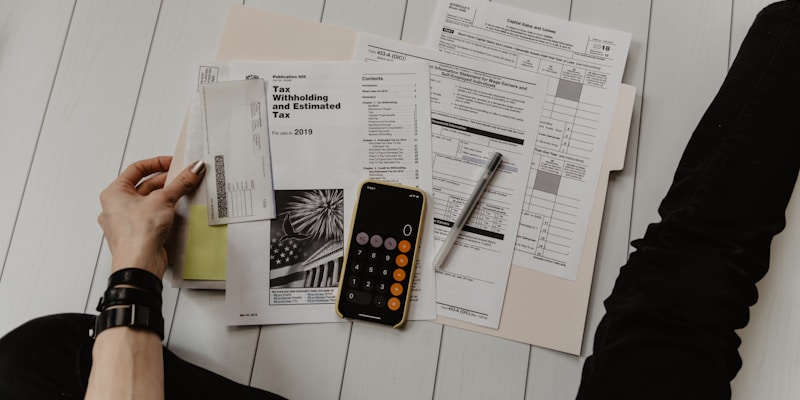
The insurance claims process can feel overwhelming after a storm, but understanding each step helps you navigate it successfully. Florida law requires insurers to acknowledge claims within 14 days and to make claim decisions within 90 days. Knowing these timelines and your rights as a policyholder empowers you throughout the process.
Immediate Steps After Storm Damage
- Ensure safety first. Don't enter damaged structures until you're sure they're safe.
- Prevent further damage. Make temporary repairs to prevent additional damage—cover broken windows, tarp damaged roofs. Keep all receipts.
- Document everything. Photograph and video all damage before making repairs.
- Contact your insurance company. Report the claim promptly. Note the claim number and adjuster assignment.
- Review your policy. Understand your coverages, deductibles, and exclusions.
Working with Adjusters
Your insurance company will send an adjuster to inspect the damage. Be present during this inspection if possible. Walk the adjuster through all damage, including areas that might not be immediately obvious. Share your documentation and point out specific concerns. The adjuster's report forms the basis of your settlement, so ensuring it's thorough is essential.
When to Seek Legal Help
While most claims are resolved fairly, some situations warrant professional assistance. Consider consulting an attorney if:
- Your claim is denied or significantly underpaid
- Your insurer is unresponsive or missing statutory deadlines
- Coverage disputes arise about what's covered
- You're dealing with complex commercial property claims
- Bad faith insurance practices are suspected
Florida Insurance Articles
View all articles →
Florida Hurricane Dock and Seawall Insurance Claims: What You Need to Know
Learn how to file a Florida hurricane dock and seawall insurance claim. Covers other structures coverage, wind vs. water disputes, insurer denial tactics, Florida statutes §627.70132 and §627.7011, and how to fight back.

Florida Hurricane Foundation Damage Insurance Claims: What Homeowners Need to Know
Learn how to file a Florida hurricane foundation damage insurance claim. Covers soil erosion, hydrostatic pressure, storm surge undermining, denial tactics, sinkhole distinctions, and your legal rights.

Florida Hurricane Window and Sliding Door Damage Insurance Claims: What Homeowners Need to Know
Learn how to file a Florida hurricane window and sliding door damage insurance claim. Covers impact fractures, pressure blowouts, wind-driven rain intrusion, insurer denial tactics, and your legal rights.

Florida Hurricane Electrical Damage Insurance Claims: Your Rights
Hurricane damaged your home's electrical system in Florida? Learn about insurance coverage for electrical panels, wiring, and surge damage, common denial tactics, and your legal rights.

Florida Hurricane Plumbing Damage Insurance Claims: What Homeowners Need to Know
Learn how to file a Florida hurricane plumbing damage insurance claim. Covers burst pipes, sewage backup, water heater damage, denial tactics, and your legal rights under Florida law.

Florida Hurricane Garage Door Damage: How to Get Paid
Learn how to file a Florida hurricane garage door damage insurance claim. Covers wind-rated door failures, structural pressure damage, denial tactics, and your legal rights under Florida law.
Florida Hurricane HVAC Damage: How to Get Your Claim Paid
Learn how to file a Florida hurricane HVAC damage insurance claim. Covers condenser damage, ductwork water intrusion, denial tactics, and your legal rights.
Florida Hurricane Solar Panel Damage: Is It Covered?
Learn how to file a Florida hurricane solar panel damage insurance claim. Covers wind uplift, debris impact, denial tactics, and your legal rights under Florida law.

Florida Hurricane Pool & Screen Damage: Get Your Claim Approved
Florida hurricanes routinely destroy pool screen enclosures and damage pool equipment. Learn how to file, document, and fight a denied florida hurricane pool screen enclosure insurance claim.
Need Help With Your Florida Insurance Claim?
Louis Law Group specializes in Florida property damage claims. We fight for homeowners against insurance companies.
Contact Louis Law GroupFree consultation. No fee unless you win.