Florida Hurricane Solar Panel Damage Insurance Claims: What Homeowners Need to Know
Florida leads the nation in new residential solar installations, with over 1.5 million homes now generating power from rooftop panels. That explosive growth has created an equally explosive insurance problem: when hurricanes strike, solar panel systems suffer catastrophic damage, and homeowners quickly discover that getting their insurer to pay for repairs or replacement is far more complicated than they expected. Filing a successful Florida hurricane solar panel damage insurance claim requires understanding how your policy covers these systems, the tactics insurers use to deny or reduce payouts, and the legal protections Florida law provides.
How Solar Panels Are Covered Under Homeowners Insurance
The way your insurance policy covers solar panel damage depends primarily on how the system is mounted and who owns it.
Coverage A: Dwelling Coverage
If your solar panels are permanently mounted to your roof — which is the case for the vast majority of residential installations in Florida — they are considered part of the dwelling structure. This means they fall under Coverage A (Dwelling) of your homeowners policy. Damage from a covered peril like a hurricane would be subject to your dwelling coverage limits and your hurricane or named-storm deductible.
Coverage B: Other Structures
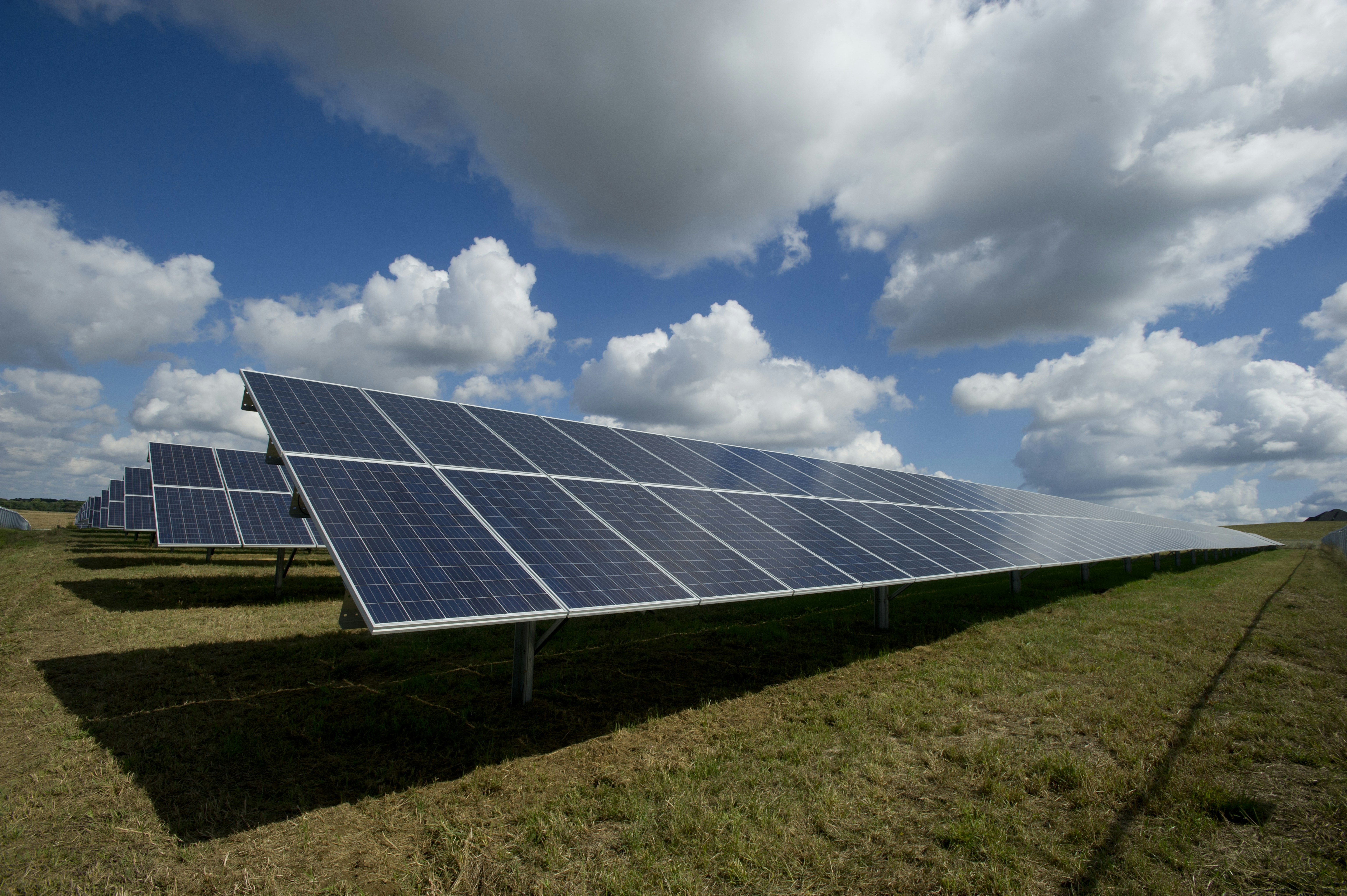
Ground-mounted solar arrays that are not physically attached to your home typically fall under Coverage B (Other Structures). Coverage B usually provides only 10% of your dwelling coverage limit, which may not be enough to replace a large ground-mounted system. If you have a ground-mounted array, review your policy carefully to confirm adequate coverage exists.
Leased Panels and Power Purchase Agreements
If you lease your solar panels or have a power purchase agreement (PPA), the leasing company technically owns the equipment. However, as the homeowner, your roof — and the damage caused by panel detachment — remains your responsibility. Coordination between your insurer, the leasing company, and their insurer can create significant delays and finger-pointing.
Common Types of Hurricane Damage to Solar Panels
Wind Uplift and Panel Detachment
Hurricane-force winds create massive uplift pressure beneath rooftop solar panels. Even panels rated for high wind speeds can be torn from their mounting brackets when sustained winds exceed design specifications. Detached panels become dangerous projectiles that can damage neighboring properties, and the mounting points they leave behind create open penetrations in your roof, leading to severe water intrusion.
Debris Impact
Flying debris — tree limbs, roofing materials, patio furniture, construction materials — can shatter the tempered glass on solar panels, crack the photovoltaic cells beneath, and bend the aluminum frames. Even panels that appear intact after a storm may have micro-fractures that permanently reduce their energy output by 20% to 40%.
Electrical Surge Damage
Lightning strikes and power surges during hurricanes can destroy inverters, charge controllers, and the electrical wiring connecting panels to your home’s grid-tie system. This damage is often invisible — the panels look fine on the roof, but the entire electrical system is fried. Inverter replacement alone can cost $2,000 to $5,000, and rewiring a damaged solar array adds thousands more.
Roof Detachment Carrying Panels
In severe hurricanes, entire sections of roof decking can peel away, taking the mounted solar panels with them. This creates a compound claim involving both roof replacement and solar system replacement, which insurers frequently try to handle as separate claims with separate deductibles — a tactic that can cost you thousands of dollars.
Common Insurer Denial Tactics
Pre-Existing Condition Claims
Insurers routinely argue that solar panel damage existed before the hurricane. They may point to weathering, minor discoloration, or age-related degradation as evidence that the panels were already compromised. Without pre-storm documentation of your system’s condition and output, fighting this denial becomes significantly harder.
Improper Installation Defense
One of the most common denial tactics is claiming that your solar panels were not installed according to manufacturer specifications or Florida Building Code requirements. Insurers argue that improper installation — not the hurricane — caused the damage. They may hire engineers who focus exclusively on finding installation deficiencies rather than assessing hurricane damage.
Maintenance Exclusion
Your policy likely contains an exclusion for damage caused by lack of maintenance. Insurers apply this broadly to solar panels, arguing that corrosion on mounting hardware, degraded sealant around roof penetrations, or panel soiling contributed to the failure. Regular maintenance records are your best defense against this tactic.
Code Upgrade Disputes
Florida Building Code requirements change frequently, especially after major hurricanes. When your solar panel system needs replacement, current code may require upgraded mounting systems, additional structural reinforcement, or different electrical configurations. Many insurers refuse to pay these upgrade costs, covering only replacement with equivalent materials — even when equivalent materials no longer meet code. Florida law addresses this directly, as discussed below.
Manufacturer Warranty Deflection
Insurers sometimes argue that solar panel damage should be covered under the manufacturer’s product warranty rather than your insurance policy. This is a delay tactic. Manufacturer warranties typically cover defects in materials and workmanship, not hurricane damage. Your homeowners policy covers storm damage, period.
Your Legal Protections Under Florida Law
Florida has enacted several statutes that protect homeowners filing hurricane damage claims, including those involving solar panel systems.
Florida Statute 627.7011 — Replacement Cost Coverage
This statute requires that residential property insurance policies provide replacement cost coverage for the dwelling. If your solar panels are part of the dwelling (roof-mounted), your insurer must pay the full cost to replace them with comparable equipment at current prices — not a depreciated value based on the age of your existing system.
Florida Statute 627.70131 — Claim Handling Deadlines
Your insurer must acknowledge your claim within 14 days of receiving it and must make a coverage determination — approve, deny, or request additional information — within 90 days. If your insurer misses these deadlines, it strengthens your position in any dispute and may support a bad faith claim.
Florida Statute 627.70132 — Filing Deadline
You have three years from the date of the hurricane to file your solar panel damage claim. However, do not wait. Evidence deteriorates, memories fade, and contractors become harder to schedule. File promptly and document everything from day one.
Florida Statute 624.155 — Bad Faith Remedies
If your insurer unreasonably denies or delays your claim, you can file a Civil Remedy Notice with the Florida Department of Financial Services. This notice gives your insurer 60 days to resolve the claim. If they fail to do so, you gain the right to file a bad faith lawsuit seeking damages beyond the policy limits, including consequential damages and attorney’s fees.
Documentation Best Practices
Strong documentation is the single most important factor in getting your solar panel claim paid. Follow these steps:
Before Hurricane Season:
- Take detailed photos and video of your entire solar panel system, including mounting hardware, wiring, inverters, and the roof surface beneath and around the panels
- Save your original installation contract, permits, and inspection reports
- Keep records of all maintenance performed on the system
- Download and save monthly energy production data from your monitoring app — this establishes baseline performance
After the Hurricane:
- Document all visible damage with date-stamped photos and video before any temporary repairs
- Hire a certified solar contractor (not just a general roofer) to perform a detailed damage assessment, including electrical testing and energy output measurements
- Get an itemized repair or replacement estimate that separates roof work from solar system work
- Keep all receipts for temporary repairs, tarping, and emergency electrical work
- Do not sign any assignment of benefits (AOB) agreements without legal counsel
Frequently Asked Questions
Does my homeowners insurance cover solar panel damage from a hurricane?
Yes, if your solar panels are permanently attached to your roof, they are typically covered under your dwelling coverage (Coverage A) as part of the structure. Ground-mounted systems may be covered under Coverage B (Other Structures). The damage must result from a covered peril — wind, hail, or flying debris — which hurricanes provide.
What if my insurer says my solar panels were improperly installed?
Request a copy of the engineer’s report your insurer relied on, then have your own licensed solar contractor and a structural engineer evaluate the installation against the Florida Building Code requirements that were in effect when the system was installed. Installation standards change over time, and insurers sometimes apply current standards retroactively.
Will I have to pay my hurricane deductible separately for the roof and the solar panels?
If both the roof and the solar panels were damaged in the same hurricane event, it should be treated as one claim with one deductible. Some insurers attempt to split these into separate claims. If your insurer tries this, it may be a violation of Florida insurance regulations, and you should consult an attorney.
Can I file a claim if my solar panels look undamaged but are producing less power?
Absolutely. Hurricane damage to solar panels is often invisible — micro-cracks in photovoltaic cells, damaged wiring, or compromised inverters can dramatically reduce output without any visible signs. Comparative energy production data from before and after the storm is critical evidence for these claims.
How long do I have to file a hurricane damage claim for my solar panels in Florida?
Under Florida Statute 627.70132, you have three years from the date of the hurricane to file your claim. However, filing promptly gives you the best chance of a successful outcome, as damage evidence is freshest and contractors can provide the most accurate assessments immediately after the storm.
How Louis Law Group Can Help
If your solar panel damage claim has been denied, delayed, or underpaid, you do not have to accept the insurer’s decision. The attorneys at Louis Law Group have extensive experience handling Florida hurricane insurance disputes, including claims involving solar energy systems. We understand the technical complexities of solar panel damage, the tactics insurers use to minimize payouts, and the full range of legal tools available to hold your insurer accountable.
Contact Louis Law Group today for a free consultation to discuss your solar panel damage claim. We work on a contingency fee basis — you pay nothing unless we recover compensation for you.