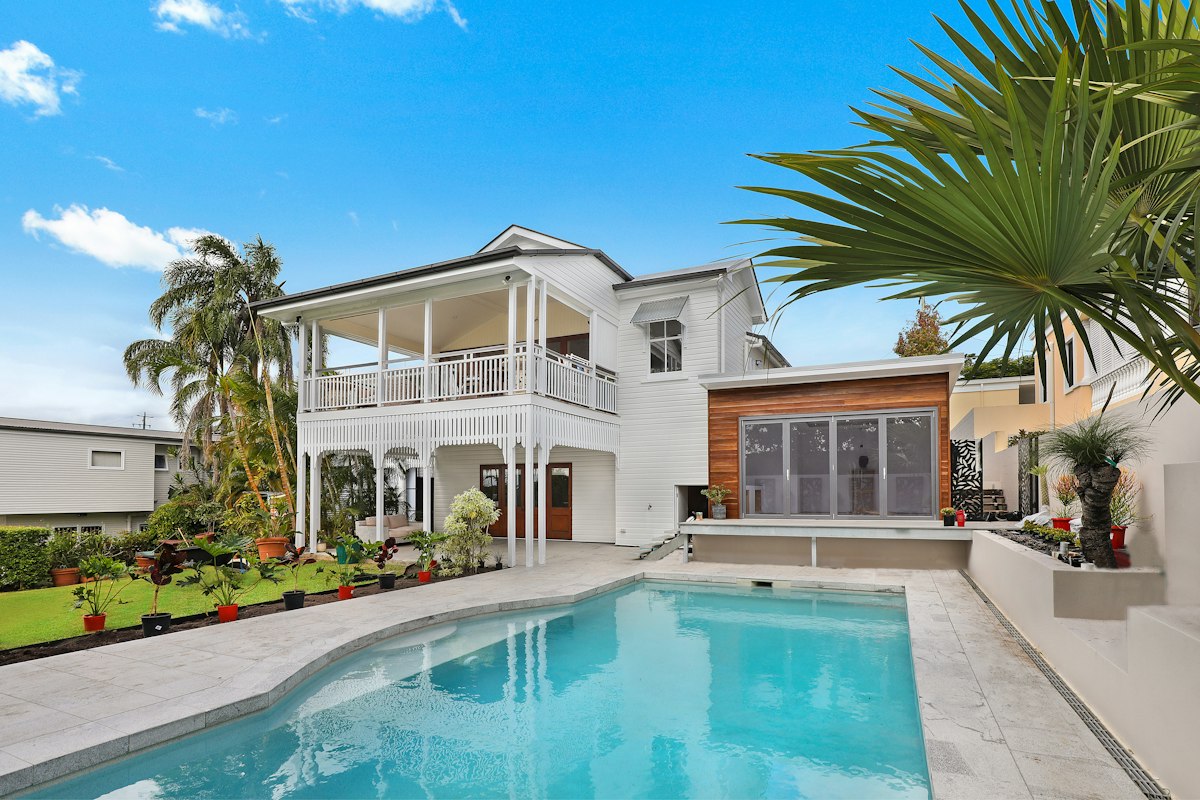
Homeowners Choice Insurance Claim Denied in Florida
Homeowners Choice Insurance, commonly associated with HCI, writes Florida homeowners coverage in a market where hurricane, wind, roof, water, and mold claims are frequently disputed. When a Florida carrier denies a claim, the denial letter can make the decision sound final. In reality, many denied and underpaid property claims turn on incomplete inspections, disputed causation, missing documentation, or policy language that the insurer is applying too broadly.
If Homeowners Choice denied your Florida insurance claim, do not start by arguing in general terms. Start by building a claim file that proves three things: what happened, when it happened, and why the damage falls within covered policy language. A strong file gives your contractor, public adjuster, attorney, or expert a factual basis to challenge the carrier’s decision.
The first step is to slow the dispute down enough to understand exactly what was denied. Some claims are denied completely. Others are partially accepted but paid below the deductible. Some carriers accept the roof but deny interior water damage, accept a small repair but reject full replacement, or pay actual cash value while withholding replacement cost benefits until repairs are performed.
The details matter.
Common Reasons Homeowners Choice May Deny a Florida Claim
Florida property claim denials often use familiar language. A Homeowners Choice denial letter may say the damage was caused by:
- Wear and tear, age, deterioration, or faulty workmanship
- Long-term leakage instead of sudden accidental water damage
- Flood, storm surge, surface water, or excluded groundwater
- Earth movement, settlement, or pre-existing structural conditions
- Lack of maintenance or failure to mitigate additional damage
- Roof damage that is cosmetic, old, or below the hurricane deductible
- Repairs performed before the insurer had a reasonable chance to inspect
- Late notice or missed policy conditions
Some of these defenses may be valid in a specific claim. The problem is that they can also be overused. An older roof can still suffer new wind damage. A plumbing system may show age but still fail suddenly. Interior water damage after a storm may be caused by wind-created openings, not excluded floodwater. A denial based on “wear and tear” should be supported by facts, photographs, measurements, and expert analysis.
When the letter gives only broad policy language, ask the insurer to identify the specific facts supporting the denial. Which areas were inspected? What damage was measured? What photos or reports does the carrier rely on? Which policy exclusion is being applied, and to which part of the loss?
Read the Denial Letter Like a Checklist
A denial letter is not just bad news. It is a roadmap for what you need to rebut. Review it line by line and separate the issues into categories:
- Coverage: Is the insurer saying the type of damage is excluded?
- Causation: Is the insurer blaming age, maintenance, flood, or prior damage?
- Valuation: Is the insurer accepting coverage but paying too little?
- Conditions: Is the insurer claiming late notice, lack of cooperation, or missing documents?
- Deductible: Is the loss being pushed below a hurricane or wind deductible?
If the denial mentions an engineer report, field adjuster estimate, roof report, moisture readings, or photographs, request copies. Do not rely only on an adjuster’s phone explanation. Written reports let you see whether the insurer actually evaluated the full damage or made assumptions from a limited inspection.
For scope disputes, compare the carrier’s estimate against a contractor’s line-item estimate. Missing line items can include tear-off, underlayment, flashing, matching materials, permit costs, code upgrades, drywall texture, paint, flooring transitions, insulation, baseboards, debris removal, and temporary repairs. If the dispute is about what must be repaired, review our guide to Florida insurance scope of loss disputes.
Roof and Hurricane Damage Disputes
Roof claims are among the most disputed Florida property claims. A hurricane or severe storm can lift shingles, crack tiles, loosen ridge caps, damage flashing, create openings around vents, and allow water into the attic. Carriers often respond by arguing that the roof was old, improperly installed, deteriorated, or damaged by ordinary weathering.
Useful roof claim evidence includes:
- Pre-loss photos, real estate listing photos, inspection reports, or maintenance records
- Post-storm photos showing missing, lifted, creased, cracked, or displaced roof materials
- Attic photos showing wet insulation, stained decking, daylight, or water trails
- A licensed roofer’s written opinion on storm-created openings and repair scope
- Weather reports showing wind, hail, or severe rain near the date of loss
- Interior photos connecting the roof damage to ceiling, drywall, flooring, or contents damage
Do not let the dispute stay vague. If the insurer says damage is old, ask what specific condition proves age rather than storm impact. If the carrier says repairs are below the deductible, compare the estimate against a complete contractor scope. Florida hurricane deductibles can be large, and a narrow estimate can make a covered loss look smaller than it really is.
Water Damage and Mold Claim Denials
Water damage disputes usually turn on source and timing. Many Florida homeowners policies cover sudden and accidental water damage but exclude flood, storm surge, long-term seepage, repeated leakage, or neglect. That means the same wet floor can be treated very differently depending on whether the cause was a burst pipe, roof opening, appliance leak, drain backup, rising water, or delayed maintenance.
For a water damage denial, document:
- The date and time the water was first discovered
- The suspected source of the water
- Emergency mitigation invoices, drying logs, and moisture readings
- Photos before demolition, after demolition, and during repairs
- Plumbing, roofing, leak detection, or HVAC reports
- Damaged drywall, cabinets, floors, baseboards, insulation, and contents
Preserve failed components when possible. A broken supply line, cracked fitting, failed valve, or damaged roof component can become important evidence. If emergency repairs are necessary, photograph everything before removal and ask the contractor to save the failed part.
Mold disputes require special attention. Mold may be covered only when it results from a covered water loss, and many policies contain mold sublimits. If mold appears after a hurricane, roof leak, or plumbing event, document the covered cause first. The mold claim is usually stronger when it is tied to a sudden covered loss and supported by testing, remediation records, and timely mitigation.
Florida Deadlines and Insurer Duties
Florida property insurance deadlines have changed, so old articles and outdated claim advice can be dangerous. Under current Florida Statutes section 627.70132, a property insurance claim or reopened claim is generally barred unless notice is given to the insurer within 1 year after the date of loss. A supplemental claim is generally barred unless notice is given within 18 months after the date of loss.
Florida Statutes section 627.70131 also sets claim handling duties for insurers. Among other requirements, an insurer generally must acknowledge claim communications within 7 calendar days, begin a reasonably necessary investigation within 7 days after receiving proof-of-loss statements, and pay or deny the claim or a portion of the claim within 60 days after receiving notice of the claim unless factors beyond the insurer’s control prevent compliance.
These deadlines do not prove coverage by themselves, but they matter. A carrier that delays, ignores documents, fails to inspect damaged areas, or gives a vague denial may create additional issues beyond the original coverage dispute.
If your policy requires a sworn proof of loss, do not treat it casually. A proof of loss can affect the claim, the timeline, and the insurer’s defenses. For more on documentation, see our guide to Florida hurricane proof of loss requirements.
Replacement Cost, Depreciation, and Low Payments
A denial is not the only problem. Many Florida policyholders receive a payment that is technically an acceptance of coverage but practically useless. The insurer may apply heavy depreciation, omit necessary repairs, ignore matching issues, or value the loss below the deductible.
Florida Statutes section 627.7011 addresses replacement cost coverage in residential property policies. The exact payment process depends on the policy and the type of loss, but replacement cost disputes often involve whether the insurer properly calculated actual cash value, whether depreciation was excessive, and whether withheld benefits become payable after repairs are completed.
Ask for the full estimate, not just the payment letter. Compare quantities, materials, labor rates, overhead and profit, code upgrades, matching, and permit costs. If the carrier’s estimate does not match the actual work required to restore the property, respond with a written estimate, photographs, expert reports, and receipts.
When Bad Faith May Become an Issue
Not every wrong denial is bad faith. Florida bad-faith claims have specific legal requirements, and property insurance disputes often require proving a breach of the insurance contract before a bad-faith case can proceed. Still, insurer conduct matters.
Potential warning signs include:
- Ignoring documents, estimates, photos, or expert reports
- Denying without inspecting key damaged areas
- Misstating policy language
- Applying exclusions without facts to support them
- Paying only part of a claim without explaining omitted damage
- Delaying beyond statutory deadlines without a valid reason
- Refusing to reconsider after receiving new evidence
Florida Statutes section 624.155 includes the Civil Remedy Notice process and a 60-day cure period. If bad faith may be involved, speak with a Florida property insurance attorney before filing anything. A poorly prepared notice can weaken the claim instead of helping it.
What to Do After a Homeowners Choice Denial
Take these steps before accepting the denial or low payment:
- Save the denial letter, policy, declarations page, estimates, photos, emails, and claim notes.
- Request every report the insurer relied on, including adjuster, engineer, roofing, or leak detection reports.
- Photograph all damaged areas again, including close-ups and wide shots.
- Get written estimates from licensed contractors and, when needed, a structural engineer, roofer, plumber, or mitigation company.
- Preserve damaged materials and failed components when possible.
- Compare the insurer’s policy citations to the actual policy language.
- Send a written response with specific evidence, not just a general complaint.
- Talk to a Florida property damage attorney before deadlines expire or repairs erase key evidence.
FAQ: Homeowners Choice Insurance Claim Denied in Florida
Can I dispute a Homeowners Choice Insurance denial?
Yes. A denial can be challenged if the insurer misread the policy, missed covered damage, relied on incomplete facts, or applied an exclusion too broadly. The best response is a written, evidence-based dispute supported by photos, estimates, expert reports, and policy language.
What if Homeowners Choice says my roof damage is wear and tear?
Ask for the facts supporting that conclusion. Then gather evidence showing storm-created damage, including pre-loss photos, post-storm roof photos, attic photos, contractor reports, and local weather data. Age alone does not automatically prove that all roof damage is excluded.
What if the payment is below my deductible?
Compare the carrier’s estimate to a complete contractor estimate. A below-deductible payment may be wrong if the insurer omitted damaged areas, used low pricing, ignored code upgrades, or failed to include interior damage connected to the covered loss.
How long do I have to report a Florida property insurance claim?
Under current Florida law, property insurance claims and reopened claims are generally subject to a 1-year notice deadline, and supplemental claims are generally subject to an 18-month deadline. Policy conditions may require prompt notice sooner, so do not wait.
Should I hire a lawyer for a denied HCI claim?
If the damage is significant, the denial relies on disputed causation, the carrier is delaying, or the estimate is far below the repair cost, legal review is usually worth it. A lawyer can evaluate the policy, preserve deadlines, coordinate experts, and challenge unsupported denial reasons.
Talk to Louis Law Group About a Denied Florida Claim
If Homeowners Choice Insurance denied or underpaid your Florida storm, roof, water, mold, or hurricane claim, Louis Law Group can review the denial letter, policy language, and repair evidence. The goal is to identify whether the insurer made a coverage mistake, missed damage, undervalued the repair scope, or failed to follow Florida claim handling requirements.
Storms.claims connects Florida property owners with claim help after serious damage. Contact Louis Law Group for a free consultation. There is no fee unless they win money for you.